How AI Transforms Data Visualization

The evolution from static charts to dynamic, intelligent AI models is here.
Beyond the Static Grid
For decades, businesses relied on static spreadsheets and rigid charts. While these tools provided a snapshot of the past, they failed to offer context or foresight. Today, Artificial Intelligence is redefining the visual interface, turning data into a living narrative that interacts with the user in real-time.
1. Natural Language: Data You Can Talk To
One of the most significant shifts is the integration of Natural Language Processing (NLP). Instead of manually building complex filters, users can now type—or speak—queries like "Show me the correlation between marketing spend and customer retention in Q3." The AI identifies the intent and instantly generates the most relevant visualization.
2. Automated Anomaly Detection
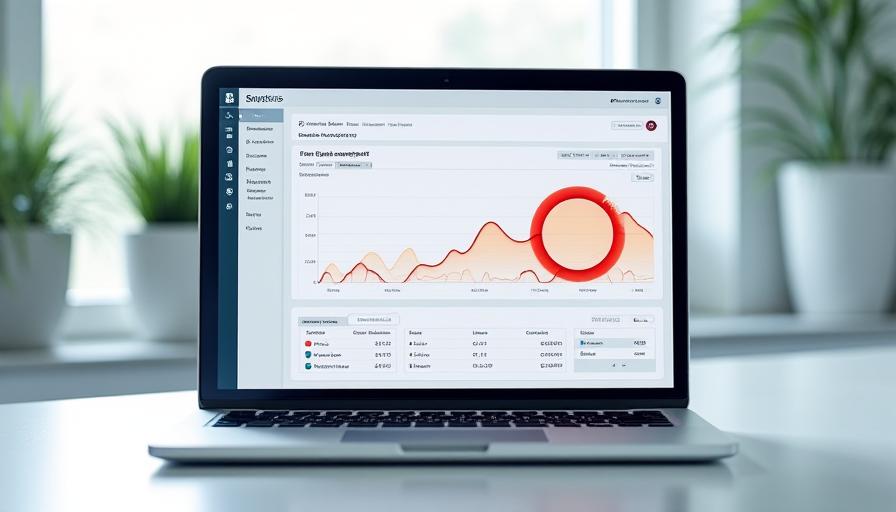
Traditional dashboards require human eyes to spot deviations. AI-driven visualizations reverse this relationship. Embedded machine learning algorithms monitor data streams 24/7, highlighting anomalies directly within the visual interface. If a metric falls outside expected parameters, the dashboard doesn't just show a line—it pulses, changes color, and provides an immediate alert.
3. From Descriptive to Prescriptive
Modern visualization has moved past "What happened?" (Descriptive) to "What will happen and what should we do?" (Prescriptive). AI models analyze historical trends to project future outcomes, overlaying predictive bands on top of current visual data. This empowers decision-makers to act on insights before they become problems.
Ready to Automate Your Insights?
Borealis Metrics leads the charge in AI dashboard automation. We don't just build reports; we build intelligent systems that empower your team to make faster, data-driven decisions.
Explore Our AI Solutions